From Kindergarten to College: The Impact of Education Policies over the Lifecycle
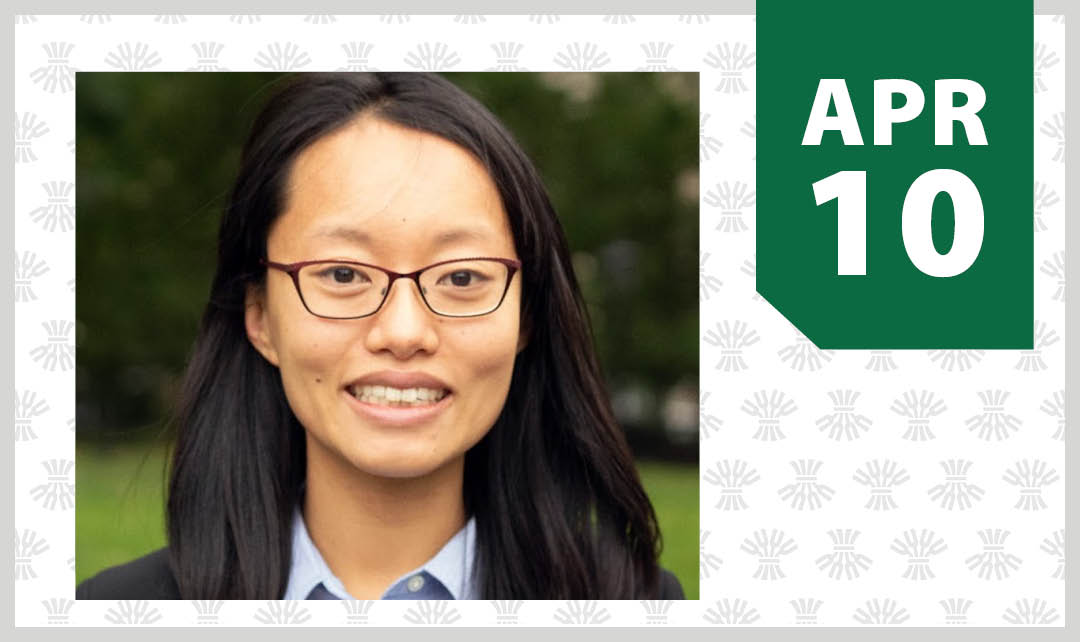
This Economics Speaker Series event features guest speaker Dr. Angela Zheng, McMaster University
Date: Friday, April 10
Time: 3:30 pm
Location: Arts 100
About this event
Across all education levels, recent policies aim to diversify the socioeconomic composition of student bodies. We study how these integration policies interact using a heterogeneous agent overlapping-generations model featuring multiple periods of human capital development.
Households sort into public schools through housing location and into college via a competitive admissions process.The quality of schools and colleges is endogenous through peer effects. Key parameters linking college admissions to parent-child investments are identified using causal moments from the data.
At the public school level, we model a rezoning policy that increases the proportion of low-income students at the highest-quality school. For college, we examine an income-based affirmative action policy. Public school integration weakens the link between residential location and school quality, increasing intergenerational mobility by 2.2%. On the other hand, the college policy decreases intergenerational mobility by 2.3%. When the high-quality college reserves seats for low-income students, college becomes more competitive, which increases income sorting at the public school level. An integration policy that combines public school rezoning and college affirmative action leads to minimal changes in upward mobility.
Upcoming Events

Threads of Time: An Asian Heritage Month Exhibition
May 4-22, 2026
Xiao Han curates this exhibition bringing together six Saskatoon-based emerging artists connected to USask
Strayhorn: The Quiet Revolutionary
May 23, 2026
USask music professor Dean McNeill is artistic director of the SJO