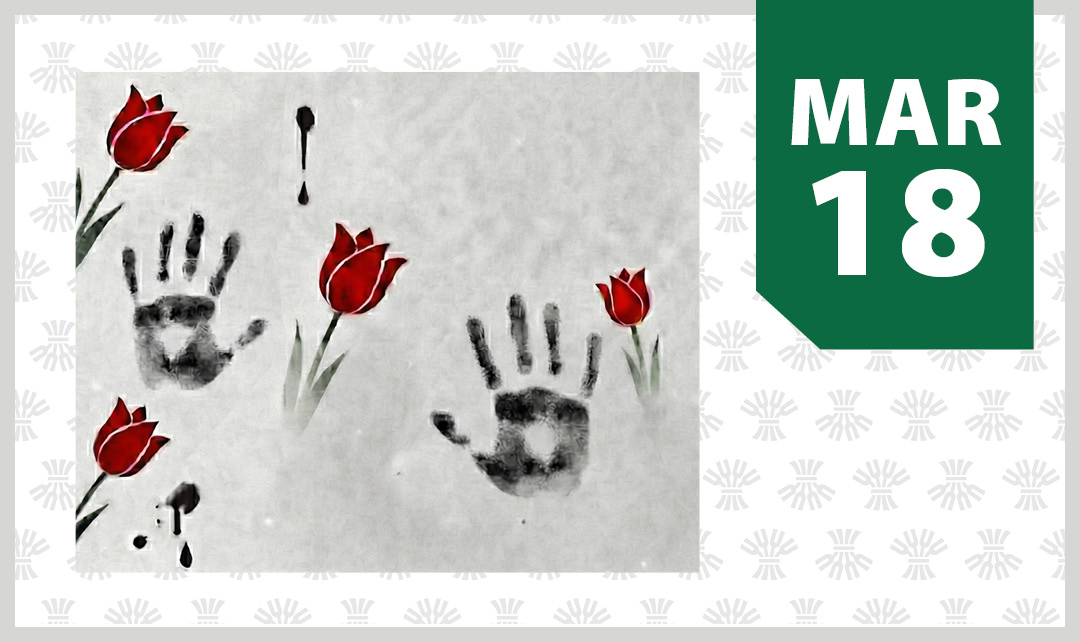
Global Café: The Human Rights Crisis in Iran: Narratives, Insights, and Actions
An evening of art performance and discussion
Date: Wednesday, March 18
Time: 5–7 pm
Location: Convocation Hall, Peter MacKinnon Building, 107 Administration Pl., Saskatoon
Free and open to the public | Register to join virtually
About this event
Info: event.paivand-society.ca
Following nationwide protests against the state in the early weeks of January 2026, the Islamic Republic of Iran committed an unprecedented massacre. The most brutal massacre carried out by the regime, and perhaps the most severe in Iran's modern history, it has been described by many as a crime against humanity.
In the aftermath of these events, Paivand Society, in partnership with Amnesty Canada, POLS -Global Café, and Canadian International Council, is planning a seminar on March 18 under the above title. Focusing on the importance of documentation and storytelling, the program will begin with narratives of those killed by the regime during this period, followed by a panel discussion examining the human rights aspects of the massacre. The seminar will conclude with a talk by a representative from Amnesty Canada, addressing actions that can be taken to document and raise awareness of this massacre, and to help prevent future human rights violations.
Lead artists:
Sima Sheibani
Soheila Fallah
Farhad Aghazadeh
Speakers:
Kirsten Fisher (University of Saskatchewan)
Omid Milani (Human Rights Research and Education Centre, University of Ottawa)
Hilary Homes (Amnesty International Canada)
Kirsten Fisher is associate professor of political studies at the University of Saskatchewan. She works on issues of justice after atrocity (transitional justice), international criminal law, politics and the International Criminal Court (ICC), and post-conflict social reconstruction. She has been a visiting scholar or researcher at McGill University, the Centre of Excellence for Global Governance Research at the University of Helsinki, the Human Rights Research and Education Centre at the University of Ottawa, and KU Leuven. She has (co)authored/(co)edited 5 books; published 40 peer-reviewed journal articles, book chapters, and reports and articles on post-atrocity justice; and has been interviewed and cited by media nationally and internationally.
Omid Milani is a scholar of human rights law and a multimedia artist whose work explores interdisciplinary and transformative approaches to contemporary human rights discourse. His research spans law and aesthetics, domestic and state-sponsored violence, constitutional rights and freedoms, political philosophy, and sociolegal studies of human rights. His current projects focus on critiquing ‘hierarchy’ and examining both the origins and manifestations of state force.
Hilary Homes is a long-time human rights activist who currently works for Amnesty International Canada as a crisis and tactical campaigner. As a young leader, they developed youth participation and leadership development programs at the national and international level before shifting to strategic campaigning. Over the years they have focused on a wide range of thematic and country-based files including children affected by armed conflict, the arms trade, international justice, the human rights impact of national security measures, and mass surveillance.
Upcoming Events

ᑮᐦᑖᐧᒼ ᐋᐸᒋᐦᑖᐃᐧᐣ – kihtwâm âpacihtâwin – using again/re-purposing
Mar 2-13, 2026
An upcycled art project focused on seasonal renewal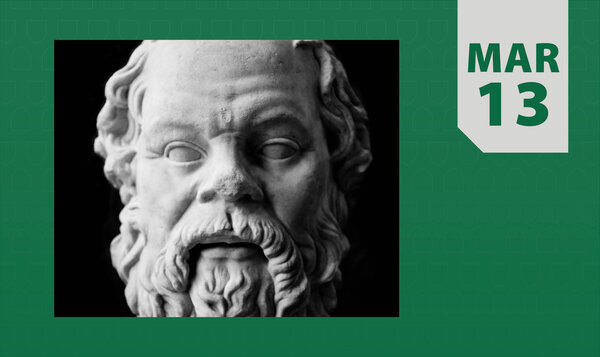
Philosophy in the Community: Morality, God, and the Tasks and Limits of Philosophy
Mar 13, 2026
A public talk by John Liptay, STM professor of philosophy