

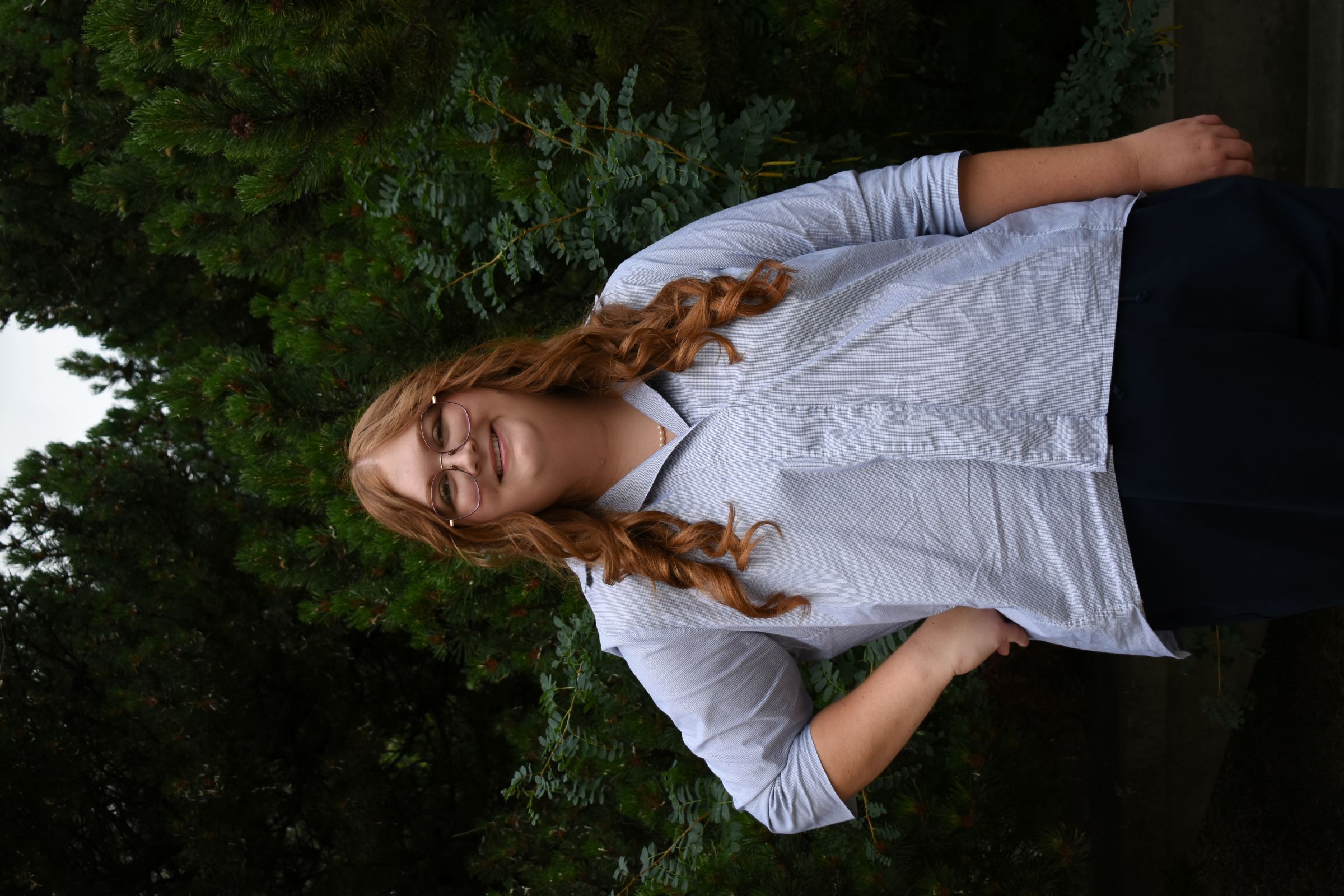
Sara Pilon MA student
Supervisor: Dr. Cheryl TroupeMy SSHRC-funded research explores the wide ranging environmental and sociocultural transformations of Saskatchewan’s UNESCO Redberry Lake Biosphere Region. My MA thesis will expand on the work I began in 2024 as an undergraduate student with the Co-Lab: Centre for Community Engaged and Collaborative Research. Tentatively titled “Where Boreal Forest Meets Aspen Parkland: A Long History of the UNESCO Redberry Lake Biosphere Region,” my work will continue to draw on archival, community engaged, and oral history research methods. My approach to history is broadly informed by my Women’s and Gender Studies background, which demonstrated the importance of community, collaboration, and social justice in our research.
Research Area(s)
- Community Engaged Research
- Canadian Histories
- Indigenous-Settler Relations
- Environmental Histories
Thesis Title
“Where Boreal Forest Meets Aspen Parkland: A Long History of the UNESCO Redberry Lake Biosphere Region”
Publications:
“askiy wahkohtowin: The Buffalo’s Home” (non-peer reviewed)
Other
Research Coordinator, The Co-Lab: Centre for Community Engaged and Collaborative Historical Research.Responsibilities of the Co-Lab Research Coordinator include: facilitating community research partnerships, engaging in outreach, managing the day-to-day operations of the Co-Lab, and supervising and training undergraduate Research Assistants.
Research Team Lead, Co-Lab, “Documenting Indigenous and Settler Land Use in the Redberry Lake Biosphere Region” (2024–Present). This project, in partnership between the Co-Lab and UNESCO Redberry Lake Biosphere Region, has used archival, community based, and oral history research methods to explore the human and environmental histories that have shaped the region’s landscape.
Research Assistant, Co-Lab, “Our History is Our Foundation: Honouring Ilarion Ukrainian Residents” (2023). This oral history research project between the Co-Lab and Ilarion Residence Retirement Home involved the creation of two feature-length documentaries from the oral histories collected. This project documented the lived experiences of Ilarion’s elders and expanded our knowledge of Ukrainian life in Saskatchewan from the early twentieth century onward.