Portrait Glazing Techniques Workshop
In-person with Robin Adair
Course Description
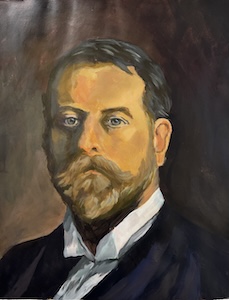
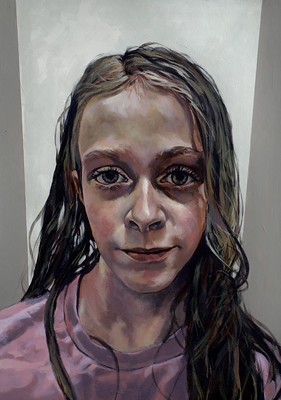
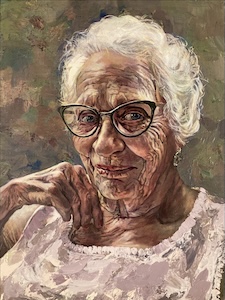
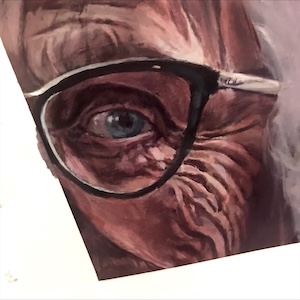
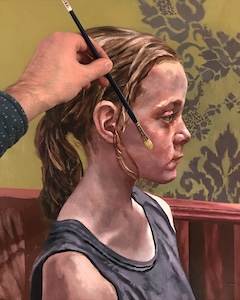
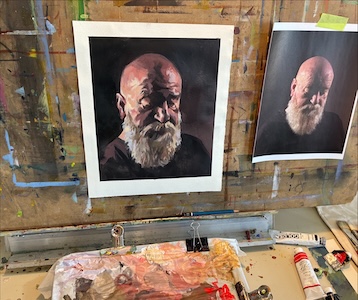
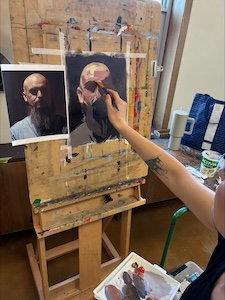
In this workshop, we will learn how to paint a portrait using transparent layers of colour, also known as glazing. Oil painters have used this technique for centuries to achieve the subtleties of skin tones and shadows. We will have the advantage of the fast-drying properties of acrylic paint, which enables us to apply multiple glaze layers in a single session. I will walk you through the drawing to the underpainting, to the process of mixing and applying glazes. Through the day, students can expect to produce 1-2 finished pieces along with a series of practice studies. We will also discuss how you can apply the principles of acrylic glazing to a wide range of subject matters and genres of painting. This course is for beginner and intermediate painters who are familiar with the acrylic medium and have some preliminary experience with the portrait subject in either drawing or painting.
Course Fee: $140 (supplies not included)
Syllabus
- Understanding facial proportions
- Transferring the drawing to a support
- The underpainting: blocking values
- Mixing and applying glazes
Supplies
- Acrylic Heavy body paint. (Recommended Brands: Golden; Holbein; Tri-Art) Pigments:
- Titanium White
- Bone Black
- Ultramarine Blue
- Cobalt Blue
- Cadmium Red light
- Alizarin Crimson
- Cadmium Yellow Light
- Cadmium Yellow Medium
- Yellow Ochre
- Burnt Sienna
- Raw Umber
- Acrylic Brushes:
- 2-3 square brushes (sizes 12-20)
- 2-3 round brushes (sizes 10-14)
- 2-3 filbert (sizes 12-18).
- Acrylic gel medium*: Golden GAC 100 or a small container of regular or soft gel
Note:*Do not buy glazing liquid because it is a slow drying medium and will not work for our workshop - Wet palette (12" x 16") You may buy one from a store or I will also teach you how to make your own wet palette. For this you will need a regular tray palette, paper towel, parchment paper, and bulldog clips
- Cotton rags
- Masking Tape
- Supports: We will make 1-2 studies over the course of the day. You may use either Bristol board, canvas, or canvas board (I recommend no larger than 11"x14").
For a brief list of frequently used suppliers, please see Where can I purchase supplies? on our FAQ page.