Acrylic Painting I: Basic Techniques and Fundamentals
Instructor: Lia ter Heide
Wednesdays 5:30-8:30pm
8 weeks: April 15 to June 10 (no class May 6)
Location: In-person Williams Building room 118
$340 (supplies not included)
Prerequisite: None
This foundational course is intended to introduce the joy of acrylic painting in a supportive environment of exploration and discovery. Personal artistic development and creative confidence will be encouraged through knowledge and skill building. Experience in technical fundamentals such as surface and palette preparation, paint application, colour mixing, glazing, layering, tool use, and brushwork will be developed through demonstrations, exercises, and guided projects. Relevant artists and art movements (both historical and contemporary) will be referenced to facilitate the learning process.
Syllabus
- Introduction to painting tools, media, setup, supports and preparation
- Mixing and applying paint: value scales and technique
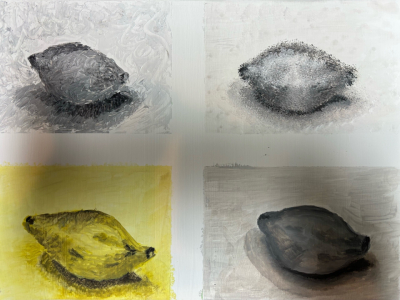
- Monochrome studies: observing value, creating form
- Introducing colour: limited palette studies
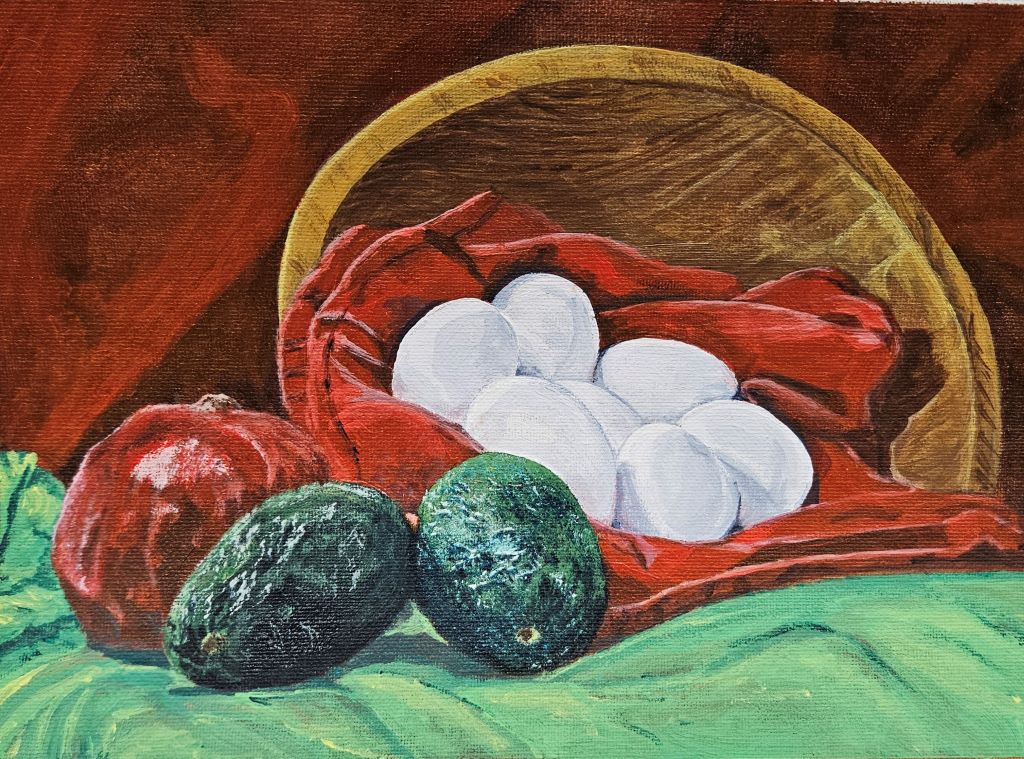
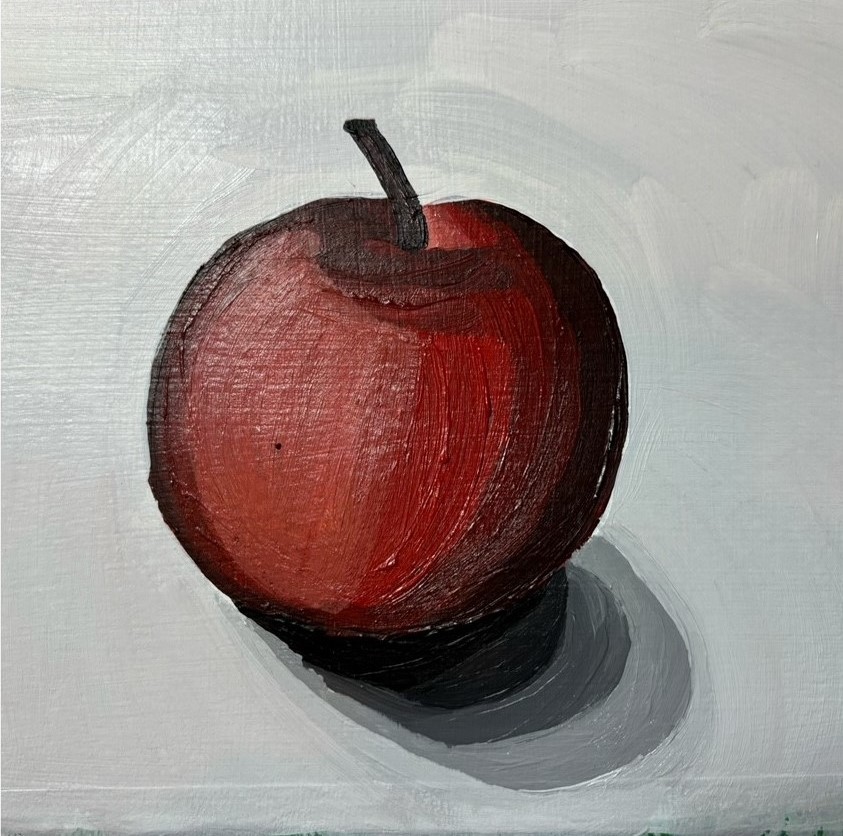
- Introduction to still life: underpainting and layering
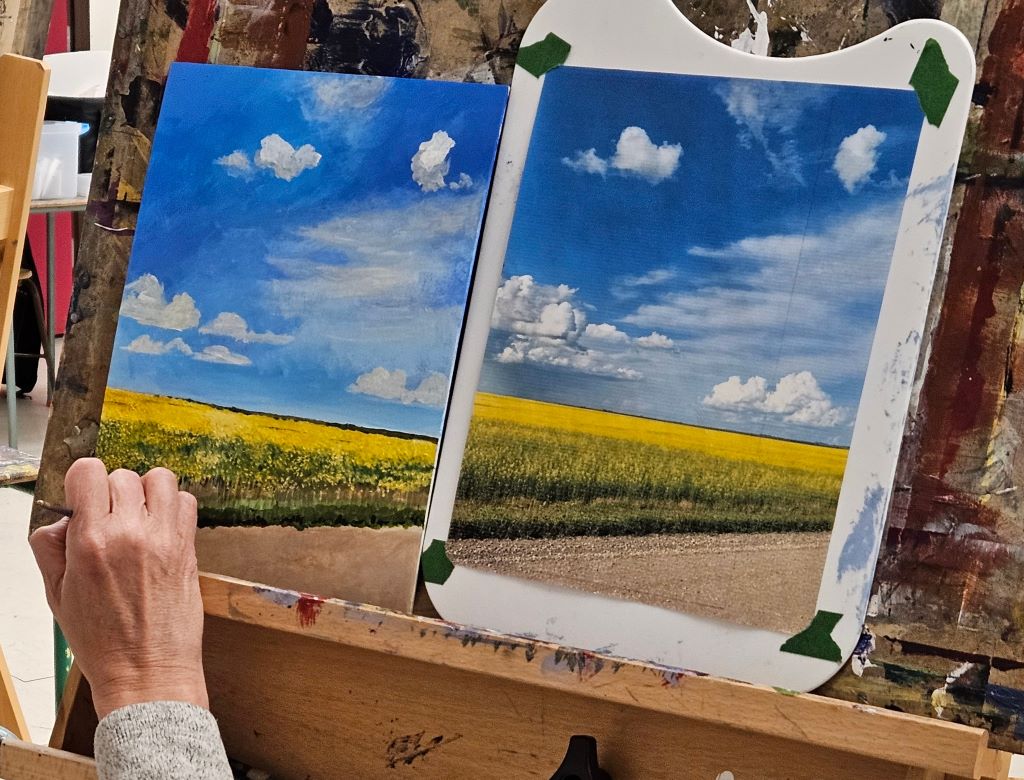
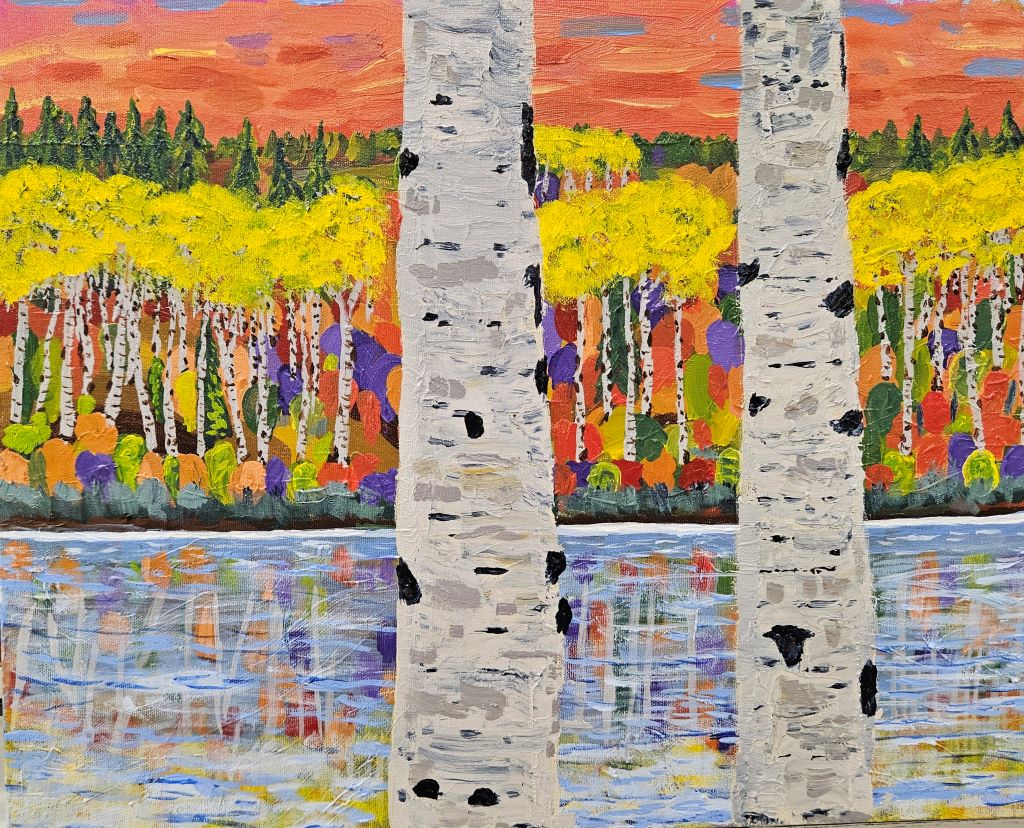
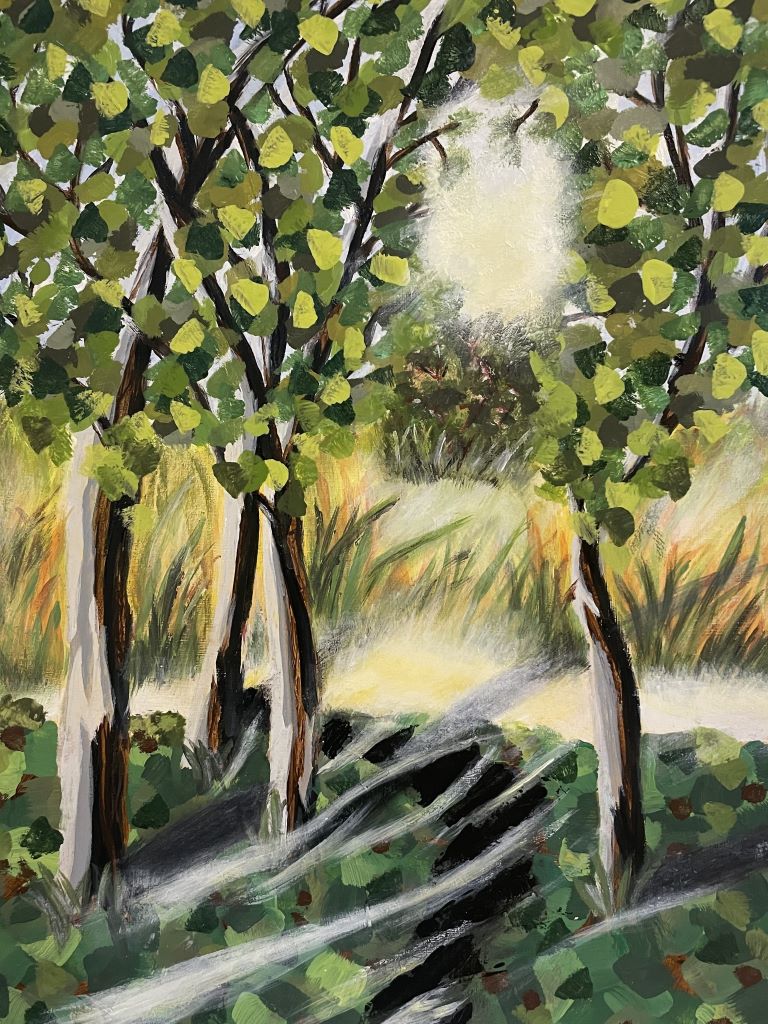
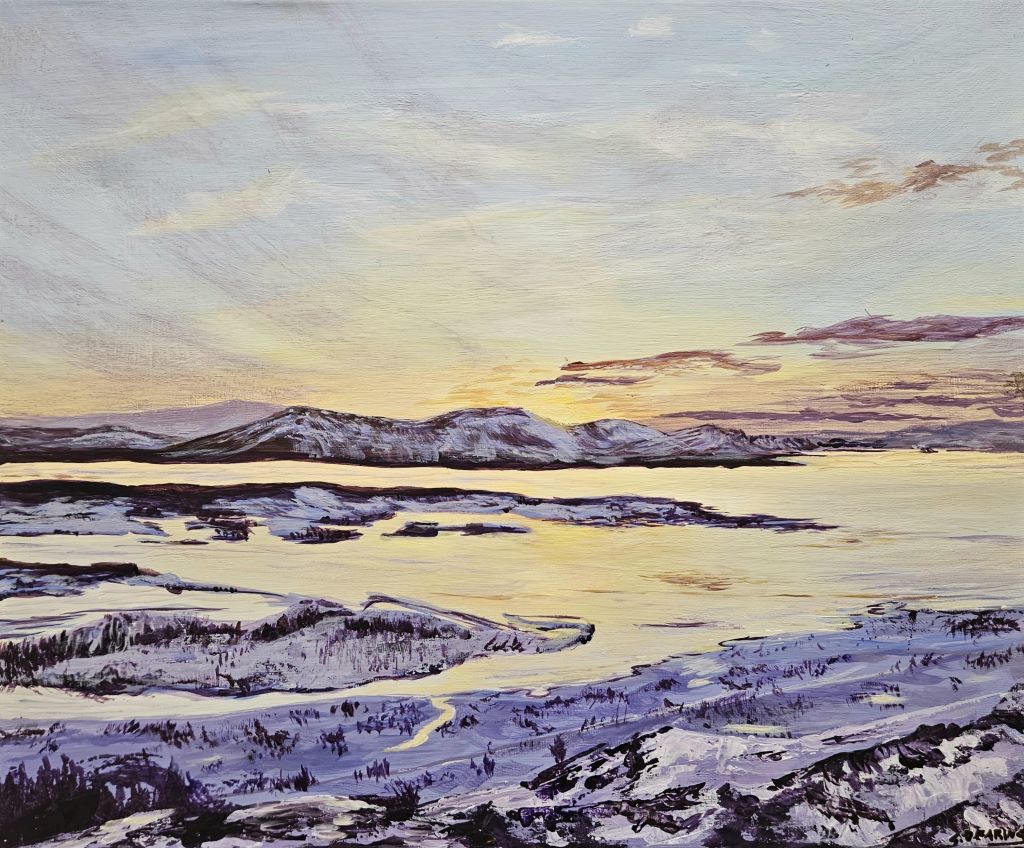
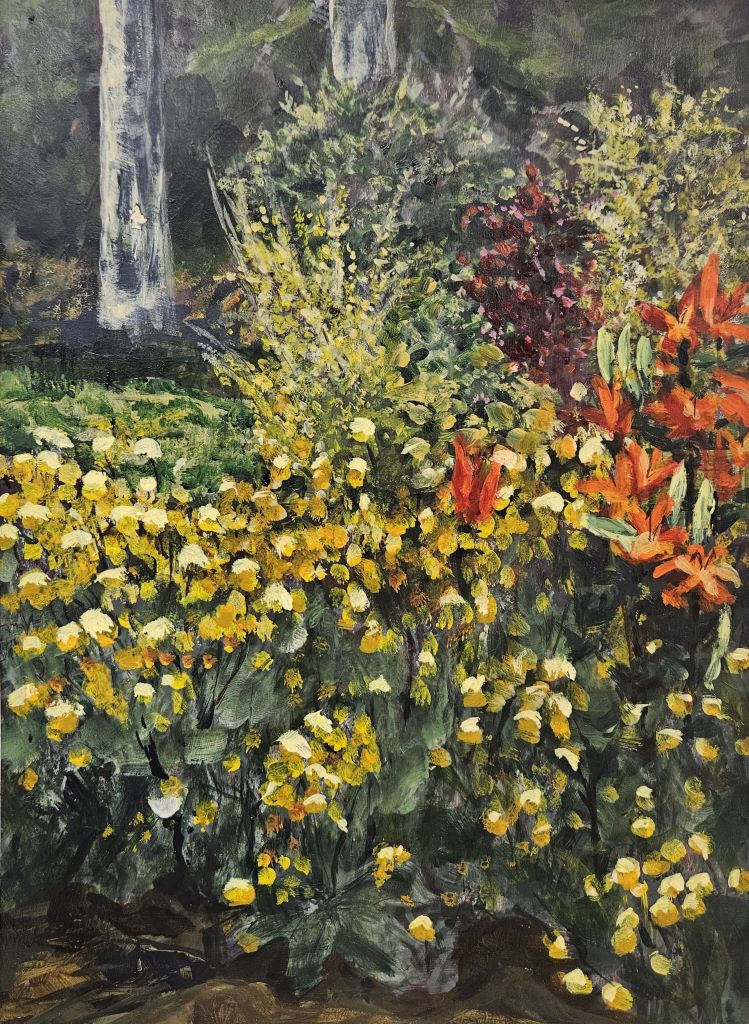
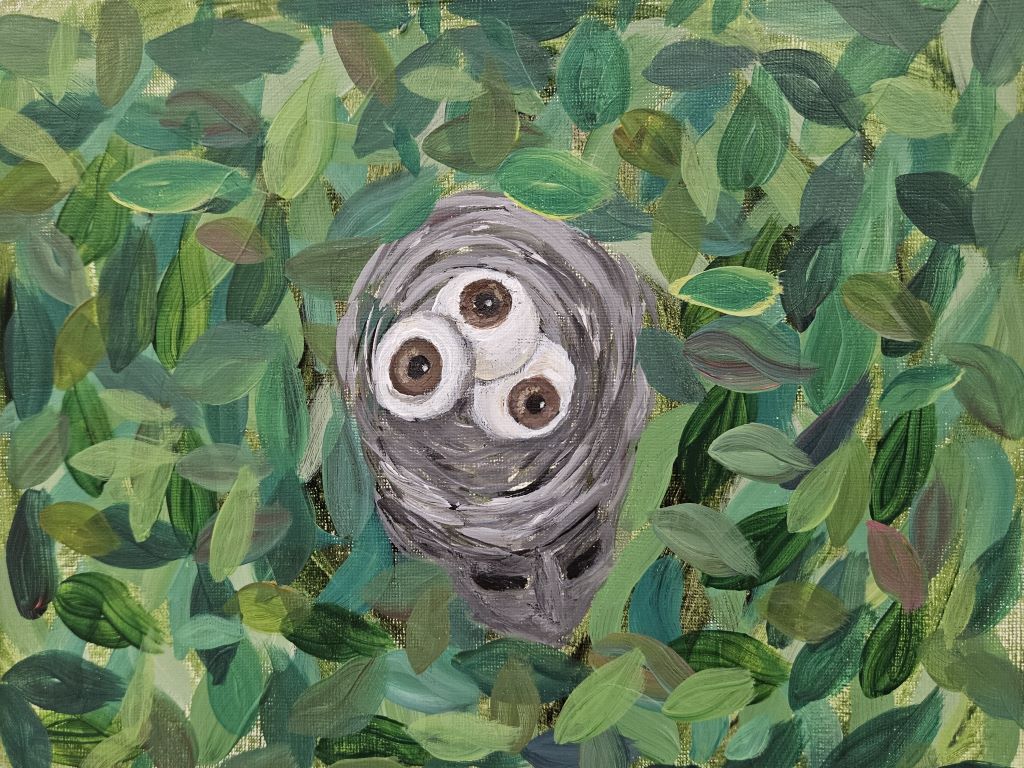
- Introduction to landscape: brushwork and knifework
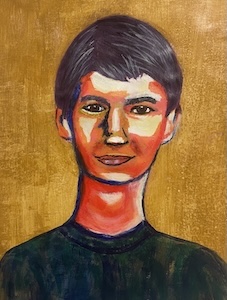
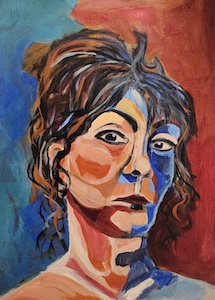
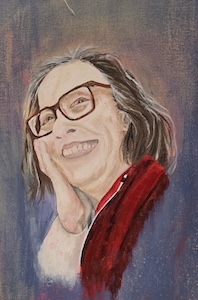
- Introduction to portaiture: observation and interpretation
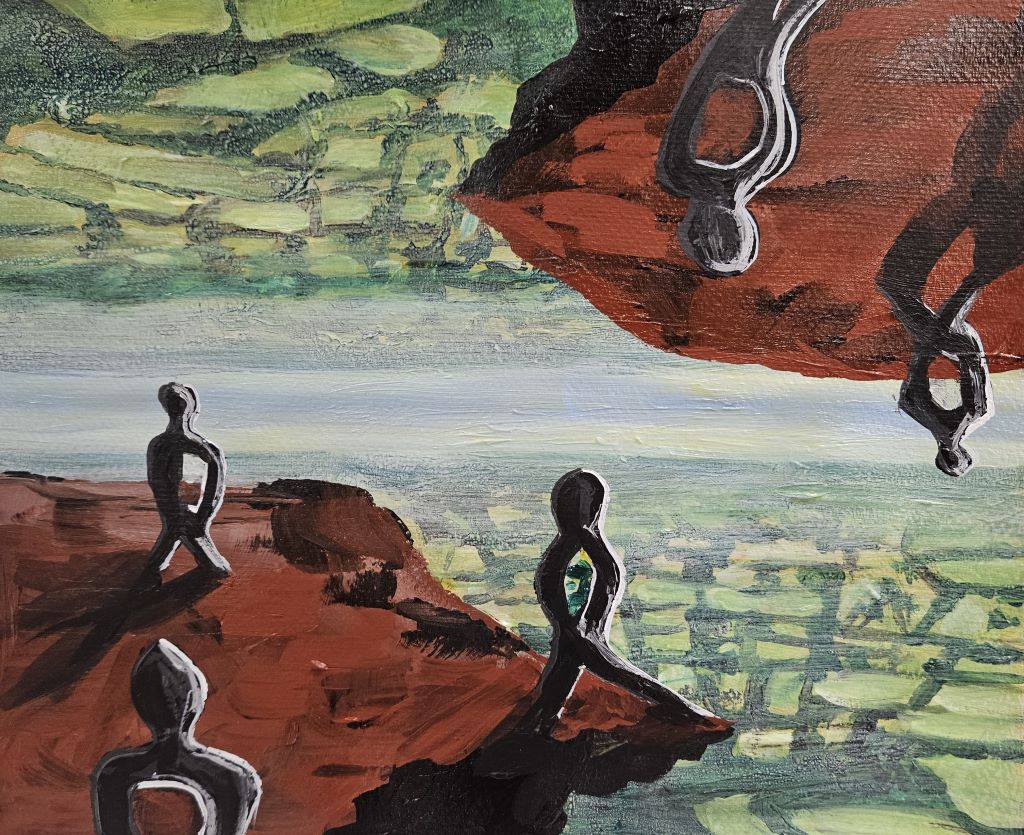
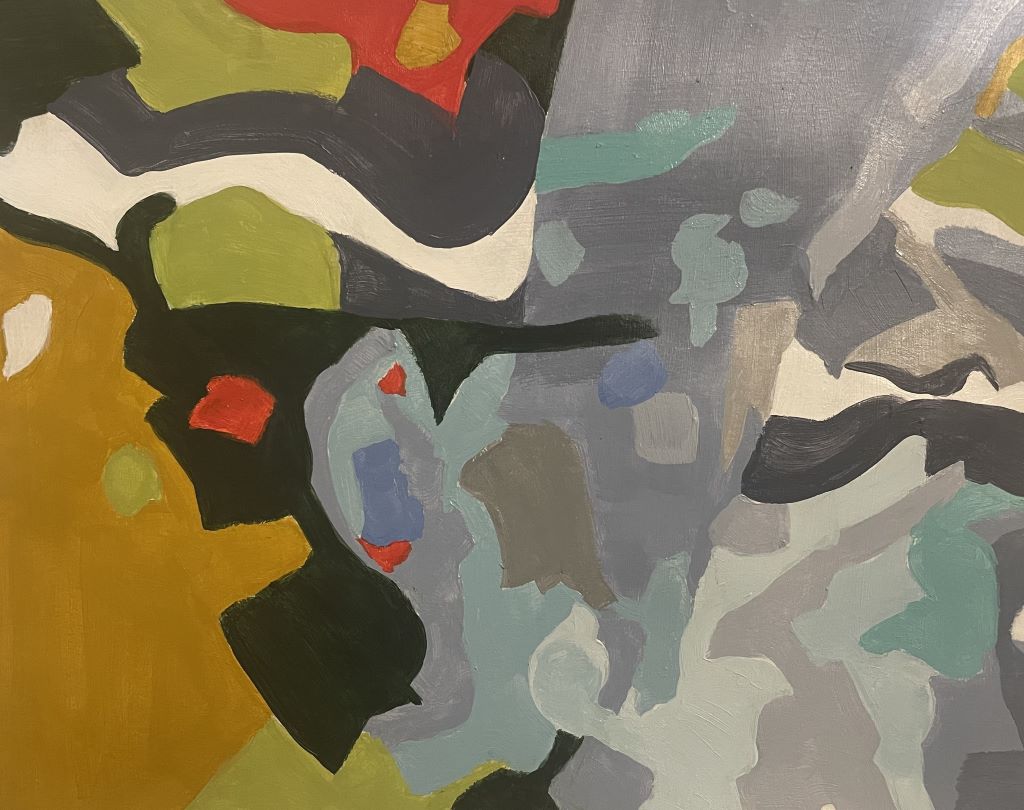
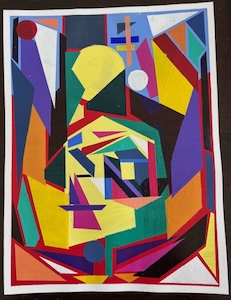
- Introduction to abstraction: composition and conceptualization
Supplies
- Graphite drawing pencil (2B or softer)
- Vinyl eraser
- Kneaded eraser
- Charcoal (a few sticks of vine charcoal is fine)
- Painter’s masking tape (usually green or blue)
- Rag/cloth and/or paper towel
- Small spray bottle (available at dollar stores)
- Sketchbook or multi-media sketchpad
- White gesso (Golden or Liquitex is recommended; Demco, Meeden or other economy brand are acceptable)
- Acrylic soft gel medium (gloss)
- Acrylic paints (Golden, Liquitex or Meeden are recommended, but brand is your choice- colour names may vary by brand):
- Mars Black
- Titanium White
- Zinc White
- Primary Yellow
- Cadmium Red Medium
- Alizarin Crimson
- Ultramarine Blue
- Pthalo Blue
- Pthalo Green
- Dioxazine Purple
- Burnt Umber
- Raw Sienna
- Optional: Students may choose to use other colors, including any they may currently own, but they are not required.
- Brushes: A variety of synthetic or hog bristle acrylic brushes, including bright, filbert, and round styles in several sizes. Recommended: 1” bright flat, #6 bright flat, #10 round hog bristle, round #4 or #6, filbert #6, round #2 or smaller or liner brush for detail
- Painting (palette) knives: offset handle stainless steel painting knives (spatula, trowel, diamond, triangle are good shapes)
- Supports: students may choose to paint on heavy paper (Strathmore 300, 140lb stock is recommended) 4 sheets should be enough for this course. We will cut the sheets into quarters or smaller pieces for projects.
- AND/OR students may choose Masonite hardboard panels, cradleboard (wood), canvas boards, canvas paper, or packs of stretched canvases which are readily available at stores. For your final project especially, you may wish to have a sturdier support, such as a wood panel or canvas.
- Palette: for our purposes, Tupperware or plastic lids (ice cream, yogurt etc) work well. You can also buy acrylic palettes. If you wish to create a wet palette, this can be discussed in class.
Optional but recommended:
- Apron or paint shirt to protect clothes
- Nitrile or latex gloves to protect skin