

Coming March 8th, 2026
Curated by: Dr. Tracene Harvey, Jasmine McRuvie
The notion of equal rights or opportunity for women was not understood in the ancient world like it is today. While attitudes towards women were not static across time and cultures, women generally lacked the same opportunity available to their male counterparts. Additionally, the lives and experiences of women were primarily expressed through literary sources composed by male authors. While this textual evidence sheds light on the lives of women, the agency of women in their own lives is often subdued, questioned, or painted in a negative light. Furthermore, literary sources often emphasize famous and elite women, whether good or evil. Where does this leave the other women, who were born, lived, and died without any mention from the great poets or philosophers of antiquity? By examining the material evidence left behind, we can get closer to understanding the lived experiences of women that have historically been overlooked.
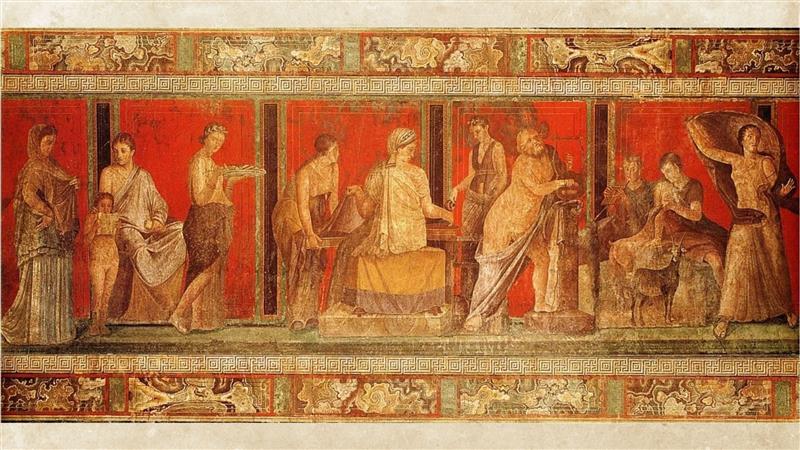
Even when traditional scholarship has endeavored to tell the stories of women in the ancient world, there is a tendency to limit the evidence to written sources. More recent scholarship considers the bigger picture that incorporates artworks and archaeological evidence, demonstrating that women had more power, influence, agency and societal impact than they have been given credit for. The art and material remains that survive from the ancient world provide us with evidence of women in their everyday lives as wives, mothers, or daughters, women as the participated in religion, women who were connected to powerful men, and what it meant to be an ideal woman. Despite the large separation in time between us and the ancient cultures featured in this exhibit, it is worth studying the lives of women in antiquity in our contemporary world. Not only is it simply a worthy and legitimate area of study, but the attitude towards women in the ancient past have implications for the attitudes towards women in the Western world today.